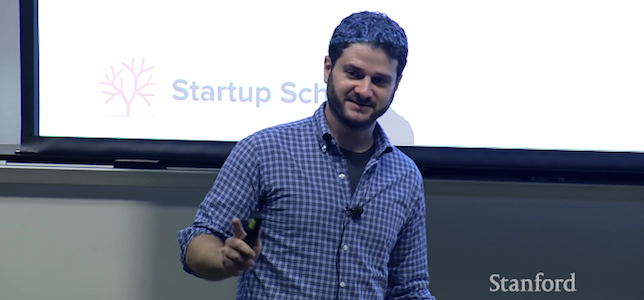
Y Combinator's 10-week MOOC called Startup School is a resource for anyone considering starting their own company. In its fifth week, the course already has more than 80,000 video views.
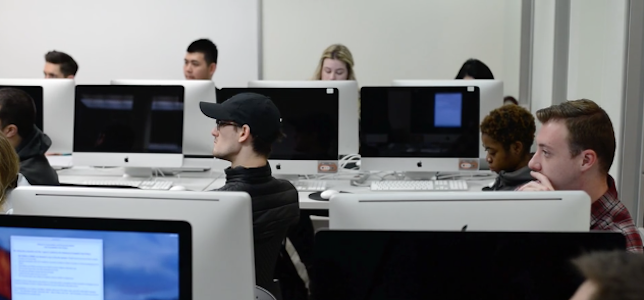
Heather Shoenberger, an assistant professor who founded, directs and teaches at the Insights and Analytics Lab at University of Oregon’s School of Journalism and Communication, explains why is it important for media students in particular to do hands-on analytics research.

New edX programs, created in collaboration with industry professionals and universities, are designed to build or advance critical skills for in-demand careers like software development and data science.

A tool used by more than 2.5 million people worldwide to create forms and publish them online has been improved to allow users to build forms via mobile devices.

Twelve public higher education institutions in Maryland have been awarded grants to ramp up the use of open educational resources.
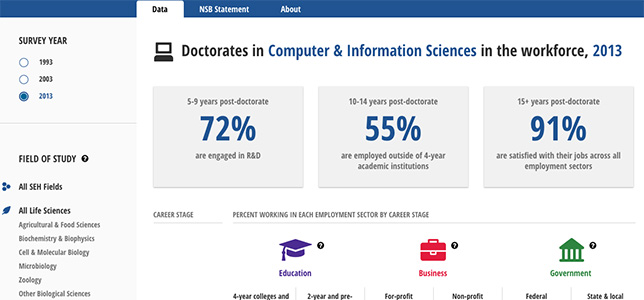
The National Science Board, the National Science Foundation's policy arm, has released an interactive infographic that explores 25 years of science, engineering and health doctoral pathways.

A website from the Urban Institute looks at what paying for college actually means.

Schoology is rolling out enhanced question types to its learning management system, in an effort to give educators more flexibility to assess and impact individual student progress.

New location-aware “knowledge injections” on the cloud-based EON Reality Augmented Virtual Reality platform provide contextual knowledge in real time, helping users to facilitate a manufacturing, maintenance, repair or operation procedure, and more.
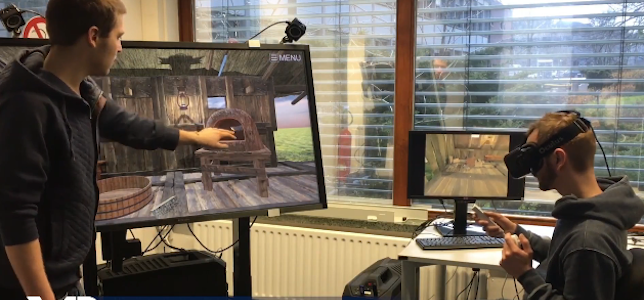
VR First, a global initiative to democratize virtual and augmented reality (VR/AR) hardware and software for academic institutions, is planning to open 50 of its VR/AR labs at colleges and universities by the end of this year, in an effort to meet future workforce demands.