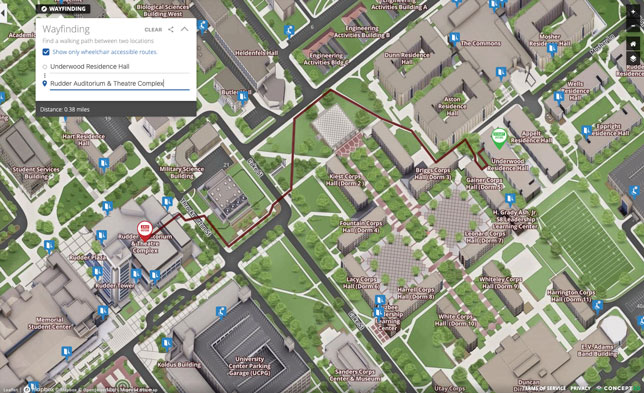
A new feature of Concept3D's interactive map and tour platform enables wheelchair users to find the easiest and most efficient route to their destination, factoring in accessibility considerations like stairs and wheelchair-accessible entrances.

This year's top issues in education technology reflect the bigger picture of a student's pathway from individual course all the way to graduation and career.
After four years of fighting in court, Harvard University and the National Association of the Deaf have come to agreement on captioning of videos and online broadcasts — a decision that could have ramifications for all colleges and universities producing and publishing video and audio content.
Learning materials publisher FlatWorld has introduced a range of new capabilities for its digital platform, including enhanced accessibility for its digital titles as well as improved functionality for instructors.
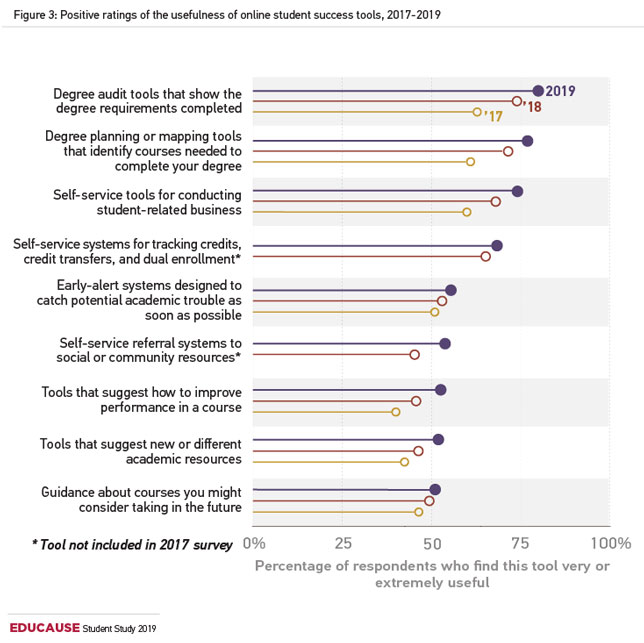
If schools were wondering whether student success tools are worth the investment, a survey among students by Educause has put the question to rest. Students rated degree audit tools that show the degree requirements completed as the most useful (ranked by 80 percent of respondents as "very" or "extremely" useful).
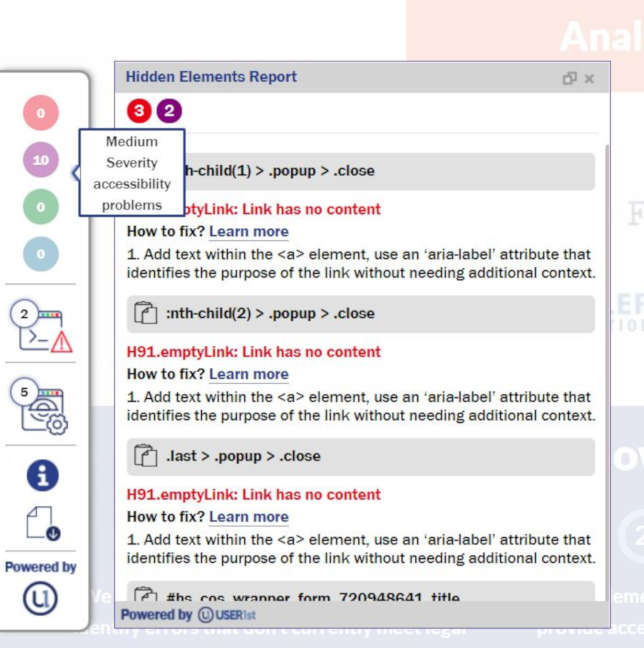
User1st has introduced a free plugin for Google Chrome helps users identify web content that isn't accessible. The uTester Developer Plugin specifically highlights content that doesn't comply with Web Content Accessibility Guidelines (WCAG) 2.1.
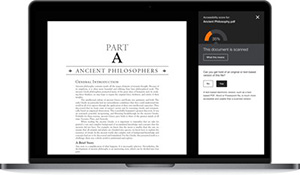
Blackboard's Ally accessibility solution is now available for D2L's Brightspace learning management system.

Transcription and captioning company Verbit has unveiled its real-time transcription product, a Communication Access Real-Time Translation (CART) service that uses a combination of artificial intelligence and human transcribers to generate live closed captions.

From artificial intelligence to STEM education, these technologies and topics are worth paying attention to this year.
The University of California, San Diego has announced that it has become the first Aira-enabled university in the United States. It is offering free smartphone access to the accessibility technology for vision-impaired members of its entire campus community, including students, staff and faculty.