Duolingo Brings Tinycards Test Prep App to Android

Tinycards, a study app from the language learning company Duolingo, on Thursday released a free version for Android devices.
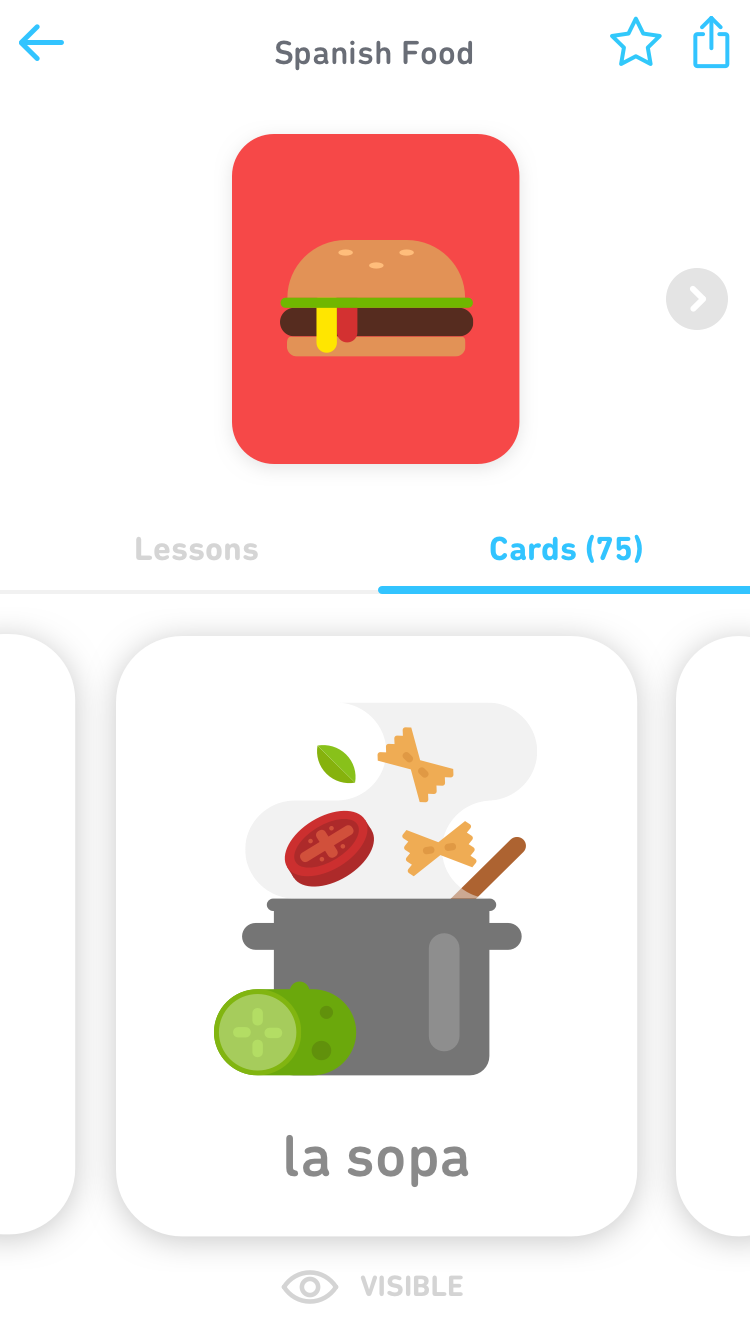
Learners can access more than 200,000 flashcard decks in Tinycards. Image: Duolingo.

Duolingo is best known for its science-based education platform used by more than 200 million users worldwide. Tinycards is a study aid designed for both K–12 and college students, which employs a spaced repetition technique and adapts to the individual user. Anyone can create their own flashcards on a topic that they are studying, or search through more than 220,000 existing decks by subject.

In December, Apple named Tinycards as one of its top 10 best iOS apps of 2016. Building off the success, Duolingo launched a web version earlier this year.

The app is now available in the Google Play Store for free.

About the Author

Sri Ravipati is Web producer for THE Journal and Campus Technology. She can be reached at [email protected].

Featured

  • networked node grid featuring illuminated connectors

    Infrastructure Accounts for More than Half of Worldwide AI Spending

    Gartner forecasts worldwide AI spending will reach $2.67 trillion in 2026, up 49.5% from 2025, with AI infrastructure accounting for nearly $1.5 trillion, or about 56% of the total. For every dollar Gartner expects to be spent on generative AI models, more than $52 will be spent on infrastructure.

  • Hootsuite

    Beyond the Feed: How Higher Ed Turns Social Media Into a Measurable Enrollment Engine

    More than half of prospective students research programs on social media before visiting a university website, and nearly half will skip applying to a school that looks inactive online. Hootsuite, the all-in-one social OS platform trusted by more than 2,000 higher education institutions, helps campus teams turn everyday posts into measurable outcomes, from applications to alumni giving.

  • AI artificial intelligence interface over laptop keyboard

    New Microsoft AI Code of Conduct Emphasizes Human Control

    Microsoft has published a draft code of conduct that details how its homegrown AI models should behave, with human control taking priority over model capability, autonomy, and even task completion.

  • man and woman analyzing data on computer screen

    Before You Replace the Legacy ERP, Learn What It Is Actually Doing

    The closer an organization gets to replacing a legacy system, the less inclined it may be to invest in that system. Yet that is also a period when understanding the legacy environment becomes particularly important.