
Broadcom's 2026 private cloud report says enterprise AI is moving from experimentation into production, with private cloud emerging as the preferred deployment environment for AI inference among surveyed organizations.

Institutions need to move away from a reactive habit of expanding storage and towards a more deliberate data management model based on understanding and control.
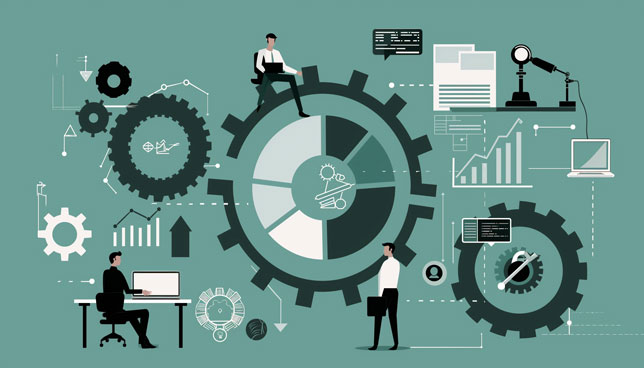
Higher education institutions are investing heavily in ERP modernization, analytics, and AI-driven capabilities. Yet even with these investments, many are running into the same issue: turning insight into coordinated, timely action.

Oregon Institute of Technology recently announced it is collaborating with Google Public Sector to implement Google Cloud's AI and high-performance computing across the institution.

Enterprise cloud teams are hitting barriers to scaling and resilience as AI-driven workloads surge, according to a new report from ControlMonkey.

Gartner's 2025 Magic Quadrant for Desktop as a Service reveals that while secure remote access remains a key driver of DaaS adoption, a growing number of deployments now focus on broader efficiency goals.
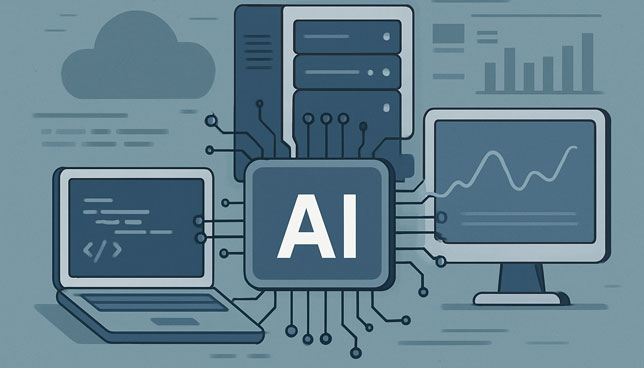
Hewlett Packard Enterprise and Nvidia have expanded their partnership to accelerate enterprise artificial intelligence adoption through new modular infrastructure and turnkey AI platform offerings.
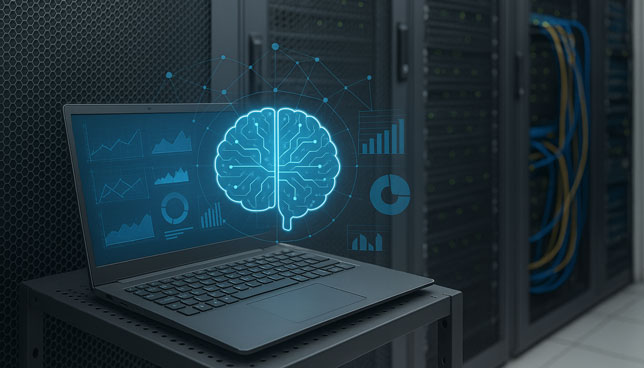
At its recent Cisco Live 2025 event, Cisco announced AgenticOps, a transformative approach to IT operations that integrates advanced AI capabilities to enhance efficiency and collaboration across network, security, and application domains.

Microsoft has unveiled Majorana 1, its first quantum computing chip, aimed at deployment in datacenters.

OpenAI, SoftBank, and Oracle have unveiled a new venture, Stargate, through which they aim to build a massive AI infrastructure network across the United States. The initiative, which was announced at the White House with President Donald Trump, has been described as the "largest AI infrastructure project in history."