
Microsoft has made point-in-time restore generally available for Windows 11, giving users and IT administrators a built-in way to roll back PCs after bad updates, driver problems, app corruption, or other issues.

Gartner recently forecast that worldwide IT spending will total $6.31 trillion in 2026, a 13.5% increase from 2025. Sectors experiencing the largest growth include data center systems, software, and IT services.

Higher education institutions are investing heavily in ERP modernization, analytics, and AI-driven capabilities. Yet even with these investments, many are running into the same issue: turning insight into coordinated, timely action.

Higher education IT leaders are navigating a quiet but consequential transition: Experienced team members are retiring or leaving for private-sector roles, and the teams replacing them are smaller, newer, and often stretched thin. The result is a structural shift in how technology decisions are made, executed, and sustained.
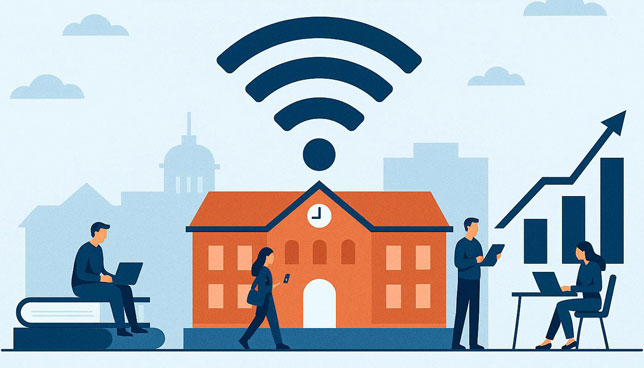
Universities aim to be ready to turn new technologies and practices into opportunities for innovation and ultimately, ROI on the institution's investment in wireless infrastructure.

Microsoft is dialing back its aggressive Copilot push in Windows 11, promising a sweeping quality overhaul that puts performance and reliability ahead of AI feature expansion .

Institutions are working to ensure the retention and recruitment of top cyber talent by continually investing in professional development, fostering collaborative work environments, and equipping teams with the latest tools available to protect and defend against threats.

Ed tech maturity models can help institutions map progress and make smarter tech decisions.

IT is about more than systems, code, and networks. It's about communicating, supporting, securing, and empowering people through technology.

Registration is free for this fully virtual Sept. 25 event, focused on "Overcoming Roadblocks to Innovation" in K-12 and higher education.