Vernier's Go Wireless Link Connects Scientific Sensors to Mobile Devices
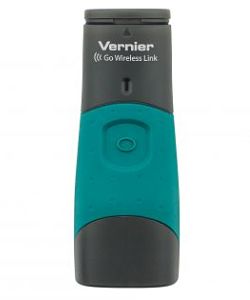 The new Go Wireless Link from Vernier Software & Technology is designed to allow students to collect data from more than 40 sensors using Bluetooth-compatible mobile devices and tablets. Go Wireless is compatible with the company’s CO2 Gas Sensors, Gas Pressure Sensors, O2 Gas Sensors, Stainless Steel Temperature Probes, Dual-Range Force Sensors, Magnetic Field Sensors, Optical DO Probes and more than 30 other sensors.
Students can begin collecting data by plugging a compatible Vernier sensor in to the Go Wireless link, then pairing it with an appropriate mobile device. They can then use the company’s free app Graphical Analysis to collect and analyze scientific data.
The Go Wireless Link is available for purchase at $99 and right now is compatible with iOS devices only, but the company says that support for Android devices and LabQuest 2 will be available by the beginning of the 2015–2016 school year. Complimentary updates to the Graphical Analysis for iOS app are reportedly planned for fall 2015, and the update is expected to enable support for more than 15 additional sensors.
For more information, visit the Vernier site.
About the Author
Greg Thompson is a freelance writer based in Fort Collins, CO.