The University of Illinois Urbana-Champaign's Grainger College of Engineering is embarking on a 10-year partnership with IBM to support research, education and skill development in emerging technologies.
IBM has introduced a new Quantum Developer Certification, which it's calling "the world's first ever developer certification for programming a quantum computer."
Supported by a technology grant from Dell Technologies, The University of Texas at San Antonio is building out its high-performance computing infrastructure to serve its research programs, particularly in data science and cybersecurity.
Membership in IBM's IBM-HBCU Quantum Center has nearly doubled since it launched last September. Created to advance quantum information science and provide STEM-based opportunities for traditionally underrepresented communities, the Center recently added 10 new historically Black colleges and universities to its roster.
Minority-serving institutions need broadband infrastructure support in order to access the data management and computing resources required to advance their STEM, health, social science and humanities education and research, according to a recent survey from the Minority Serving-Cyberinfrastructure Consortium and Internet2.

This year, Internet2 will celebrate its 25th anniversary as it continues to support and lead critical network infrastructure and services nationally while engaging the world's research and education communities.

Texas A&M University is getting a new supercomputer. The latest system, which goes online for researchers in December, will be 20 times more powerful than the supercomputer it's replacing.
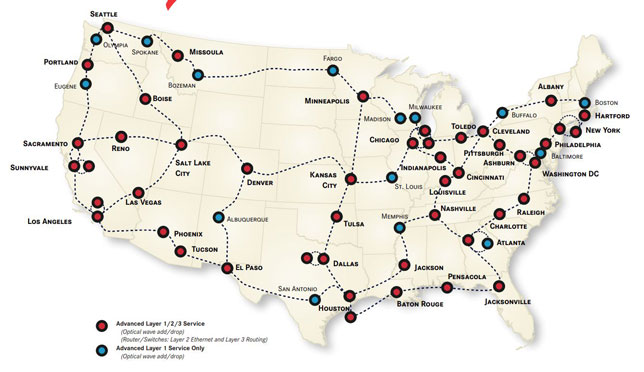
The nonprofit high-speed internet community that is Internet2 has struck an agreement with Cisco to build out its research and education infrastructure using technology from the company. The alliance between the two organizations is part of a "next-generation infrastructure" initiative at Internet2, begun to provide support specifically for data-intensive research projects.
Thirteen Historically Black Colleges and Universities have signed on with IBM to participate in a new IBM-HBCU Quantum Center, which will give the institutions access to quantum computers and provide academic opportunities for students.

As a distinguished scientist at Oak Ridge National Laboratory and an assistant professor at the University of Tennessee, Travis Humble shares his unique perspectives on the advancement of quantum computing and its entry into higher education curricula and research.