Virtualization in Higher Education
Colleges and universities are adopting virtualization to improve data center efficiency, consolidate servers, save money, and reduce energy consumption. Here you'll find articles showcasing institutions that are moving to virtualized computing environments, along with news stories covering the latest technology developments.
Parallels has released an update to Remote Application Server (RAS). The latest version of the remote desktop software, version 15.5, adds new iOS and Android clients and support for Microsoft Azure, Amazon Web Services and Windows Server 2016.
California Polytechnic State University has overhauled the computer labs for its aerospace and biomedical engineering programs by implementing virtual desktops and applications.
A recent report from Technavio reveals that the visual analytics market in the United States education sector will increase over the next four years, with on-premises visual analytics and enterprise resource planning segments dominating the market.
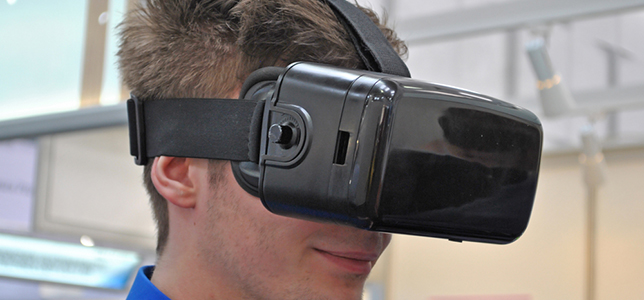
Facebook’s Oculus division is working on a standalone version of the Oculus Rift virtual reality (VR) headset, with no wires and no connection to a PC, according to comments made Thursday by Facebook CEO Mark Zuckerberg.
The California Community Colleges system has gone public with its use of an IT virtualized lab.
Despite the success of the AR mobile game Pokémon Go, more than half of Americans are unfamiliar with augmented reality, according to a survey from ReportLinker Insight.

Worldwide revenues for the augmented reality (AR) and virtual reality (VR) markets are expected to grow from $5.2 billion in 2016 to more than $162 billion in 2020, according to research done by the International Data Corporation (IDC). The $156.8 billion increase represents a compound annual growth rate of 181.3 percent over the 2015-20 forecast period.

CT talks with Ed Chapel, Senior Vice President at NJEDge.Net, about the role of New Jersey's Research and Education Network (REN) and how it serves the higher education and related K-12, government, and nonprofit sectors.
Wake Technical Community College in North Carolina has implemented an integrated server, storage and virtualization appliance in an effort to improve application performance.

As more classes go online, schools need a workable approach for giving students access to high-demand software. Virtual desktops provide the answer.