Embry-Riddle Aeronautical U MOOC To Investigate Aviation Accidents
- By Dian Schaffhauser
- 07/20/15
Embry-Riddle Aeronautical University Worldwide will be delivering a massive open
online course (MOOC) on aircraft
accident investigation at the end of the summer. Students will have the chance to try out their data collection skills in a virtual crash
laboratory hosted by the Daytona Beach, FL-based institution.
The new course will cover various aspects of the aircraft accident investigation process, from initial field investigation to publication
of the final accident report. The university said an emphasis will be placed on the study of human factors and survival investigative
techniques and the application of accident investigation findings in industry and research. The class will analyze aircraft accidents and
evaluate causal factors.
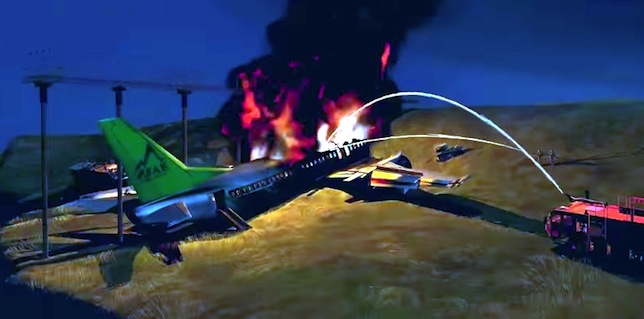
Participants will be given the chance to practice data collection skills in Worldwide's
Virtual Crash Laboratory. Launched in May
2014, the lab introduces students to an animated crash using a short video. They then choose a male or female avatar to be the National
Transportation Safety Board (NTSB) investigator who walks through the crash site. They'll collect and export data that satisfies accident
investigation criteria: survival factors, human factors, aircraft structures, aircraft systems, operations and maintenance.
The MOOC, which is limited to 2,500 students, runs August 17 to September 13, 2015 and is hosted on the Canvas Network. It's expected to take between four and eight hours of work per week. All study materials will be provided
within the course, and students who complete all four modules will receive a certificate of completion. There are no pre-requisites.
About the Author
Dian Schaffhauser is a former senior contributing editor for 1105 Media's education publications THE Journal, Campus Technology and Spaces4Learning.