9 in 10 Students Admit to Cheating in College, Suspect Faculty Do the Same
- By Dian Schaffhauser
- 02/23/17
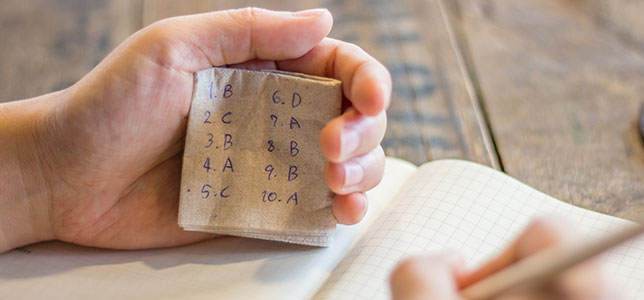
Students cheat frequently using a variety of techniques, and some believe their instructors are prone to the do same as well. That's the bottom line from a survey done by a company that performs private investigations and digital and business forensics.
Kessler International queried 300 students who attend college in person and online and found that nine in 10 (86 percent) admitted to cheating in some way in school. More than half (54 percent) thought cheating was OK, and some suggested that it was even necessary to stay competitive. Among those who acknowledged cheating, nearly all (97 percent) said they'd gotten away with it.
What forms of cheating are popular? Three-quarters of respondents (76 percent) said they'd copied text from somebody else's assignments. Slightly more (79 percent) admitted to plagiarism from internet sources. Nearly as many (72 percent) said they'd used their mobile devices to cheat during class. A smaller number (42 percent) said they'd purchased custom term papers or essays online. And 28 percent said they'd had a "service" take their online classes for them.
Only 12 percent of students said they'd never cheat because of ethics.
The survey also asked respondents about the ethics they believed their instructors had. Several said they knew of sexual exploits involving teachers and students that resulted in adjustments to grades, and others shared stories of faculty members taking bribes to change grades.
Some instructor cheating reported by students involved pressuring them to purchase books written by the faculty member to complete the class. In some instances, they said their instructors gave them test answers to ensure they passed their exams, particularly in cases where schools pressured faculty to pass their students.
The company said that oftentimes unethical students turn into unethical job candidates. Kessler estimated that as many as one in three job applicants lie about some aspect of their resumes, whether it's exaggerating their roles or claiming credentials never earned or positions never held.
About the Author
Dian Schaffhauser is a former senior contributing editor for 1105 Media's education publications THE Journal, Campus Technology and Spaces4Learning.