U Arizona Places Former Surgeon General in Charge of Leading Campus Re-entry
- By Dian Schaffhauser
- 05/22/20
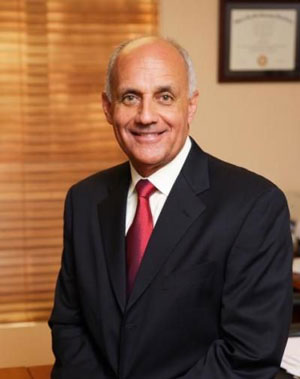
Richard Carmona
Even as the University of Arizona announced that it would hold classes on campus in the fall, along with a heavy emphasis on testing for COVID-19, the university has also appointed a former surgeon general of the United States to lead the reopening process. Richard Carmona will head the "reentry task force," which is steering the development and execution of a return-to-campus plan.
Carmona is a professor in the College of Public Health and holds faculty appointments as a professor of surgery and pharmacy. He also holds leadership roles in the Canyon Ranch Institute, which runs a series of wellness resorts. In 2002, he was appointed surgeon general by then-President George W. Bush. After serving for one term under Bush's administration, Carmona, along with several other former surgeon generals, testified to Congress about how he was prevented by the Bush administration from speaking out on certain public health issues, including stem-cell research, global health, climate change, emergency contraception and sex education.
In his role at UA, Carmona will report directly to university President Robert Robbins, a cardiothoracic surgeon, who has himself worked for the National Institutes of Health, was founding director of the Stanford Cardiovascular Institute and was the former head of the Texas Medical Center. Task force leadership will also include vice presidents from academic affairs, research and innovation and health sciences.
Robbins announced in April plans to resume in-person classes on Aug. 24, 2020. That plan hinges on a three-part "test, trace and treat" approach that will guide the task force's work, which has already begun.
About the Author
Dian Schaffhauser is a former senior contributing editor for 1105 Media's education publications THE Journal, Campus Technology and Spaces4Learning.