California State University San Marcos
|
Project: Strategic Class Scheduling
Project lead: April Grommo, Director, Projects Office
Tech vendors/partners:
|
With her institution facing two of the highest-profile issues in higher education--first, the push for degree completion and student success; and second, severe budget constraints coupled with increased enrollments--April Grommo, director of the IT Project Office at California State University San Marcos, needed a way to achieve just the right balance of high-enrollment and elective courses.
Building on the university's existing business intelligence and data analytics systems, Grommo forged a strategic class scheduling process--a two-pronged approach that helps ensure degree-seeking students have access to the courses they need while producing new efficiencies to safeguard the university's shrinking budgets.
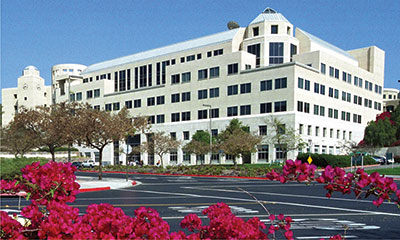
CSU San Marcos' strategic class-scheduling process helps ensure students can get into the classes they need to graduate. |
The strategy begins with the university's Oracle/PeopleSoft ERP, from which student data can be leveraged. Detailed student-level information outlines fulfilled and unfulfilled courses needed for degree completion. Through an implementation of the Academic Advising module in Oracle's Campus Solutions, the university is able to initiate an analysis of aggregate course demand. A weekly batch process updates all student degree requirements and populates a series of database tables. After the data is extracted to a data warehouse, the university uses Microsoft Reporting Services to write the course demand reports used by deans and college faculty to identify which courses would benefit the most students.
One of the keys to successful project implementation was a focus on collaboration with the colleges and departments across the university--those stakeholders that ultimately determine course offerings and shape schedules. Their involvement helped ensure that the tools and information generated by the system would be highly useful. "I think it's important, with change and new technology, to work with the key stakeholders before the project goes live--getting their feedback and responding to that," says Grommo. The project was a true team effort, encompassing interdepartmental contributors ranging from Academic Advising, to the colleges and departments, to developers and programmers.
The reports allow users to view data by the student academic level--graduating seniors, seniors, juniors, sophomores, freshmen--so decision-makers know not only which courses are in demand, but who needs them. This is particularly useful in recognizing bottleneck courses and alleviating potential roadblocks to graduation for upper-division students. Having real data, instead of "word of mouth" observations from advisers and students, is helpful in identifying and addressing problem areas more quickly. And access to individual student detail allows communications with students about course offerings that might help them satisfy degree requirements, whether for large-enrollment lower-division courses or for upper-division electives.
Katherine Kantardjieff, dean of the College of Science and Mathematics, observes, "It is a complex process to balance and offer a variety of elective classes--which might have low enrollment numbers--with those classes required for graduation, which have large enrollments and fill quickly.... Colleges and departments [benefit from the new system] since they are severely constrained by budget reductions and cannot afford to offer all courses available in the college catalog. This system of processes and reports gives them visibility into graduation needs of the student population. Colleges then can mix elective courses and high-demand courses effectively in semester schedules."
For the near future, the university is planning several related projects, including a "roadmap" students can access directly, starting at the freshman or transfer-student level, that will assist them with their academic planning and include preference updates and "what-if" simulations. The roadmap will both inform student planning and provide visibility into future course demand.
About the Author
Meg Lloyd is a Northern California-based freelance writer.