NC Community College System Modernizes IT Infrastructure at 40 Campuses

The nation's third largest community college system, the 58-campus and 80,000-student North Carolina Community College System (NCCCS), recently modernized its IT infrastructure for 40 colleges in order to cut energy use in half and be more efficient.
For the overhaul, NCCCS worked with nearby IT consulting company Alphanumeric Systems to switch out “older, rack mountable Sun Enterprise 450 and Sun Fire v890 servers from Sun Microsystems and other SPARC Enterprise servers, which had been in place for many years,” according to information from Alphanumeric.
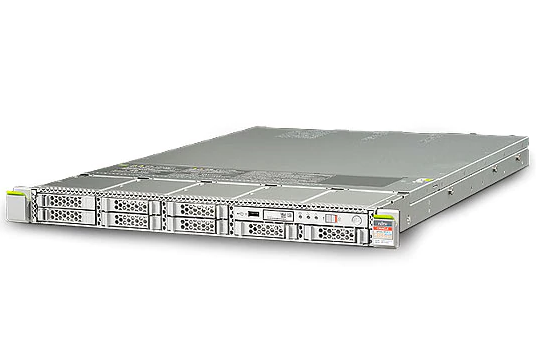
The M10-1 scales up to 16 cores and 1 TB of DDR3 memory. Image: Fujitsu.
With assistance from Alphanumeric — who sought a long-term solution for NCCCS — the community college system selected and implemented Fujitsu M10 SPARC-based servers running Ellucian higher education software to manage day-to-day campus business processes, admissions and registration, accounting, payroll and human resources.
As a result, NCCCS is now experiencing:
- A 50 percent decrease in power consumption using energy efficient green technology;
- Faster response times, higher availability and 24/7 uptime for critical campus applications; and
- Lower operating costs with dynamic scaling that cuts space requirements by 75 percent.
Alphanumeric was responsible for the entire implementation process — from planning, to automating the solutions, to creating a disaster recovery solution to ensure campus processes aren’t disrupted by outside factors.
“The colleges were looking for a solution that would provide increased performance, and help reduce operating expenses while improving service to the college's’ various users,” the company said in a statement. “The new infrastructure has brought improvements on several fronts.”
Director of Information Services at the College of the Albemarle Wayman White described the Fujitsu M10-1 as “a workhorse server” that employs “high-availability principles at all levels, from the processor chip to the system design, which helps deliver 24/7 uptime for critical campus applications."
“Knock on wood, but with the Fujitsu M10, we’ve never had to place a service call, never had to replace a hard drive,” said Dustin Howell, systems administrator at Mitchell Community College, in the statement.
About the Author
Sri Ravipati is Web producer for THE Journal and Campus Technology. She can be reached at [email protected].