Apple’s App Development Curriculum for Community College, High School Students Now on iBooks
Apple today released its first full-year course to teach college students how to design mobile apps using the Swift programming language.
According to the company’s announcement, select high schools and six community college (CC) systems will offer the “App Development with Swift” curriculum this fall, reaching an estimated 500,000 students nationwide: Alabama Community College System, Columbus State Community College, Harrisburg Area Community College, Houston Community College, Mesa Community College and San Mateo Community College District. Students at these CCs will also have the opportunity to intern at Apple and receive mentorship from company employees.
Apple’s curriculum “includes a comprehensive student guide with playground exercises, mini projects and quizzes, as well as a teacher's guide with grading rubrics, solutions code and Keynote presentations,” the announcement said.
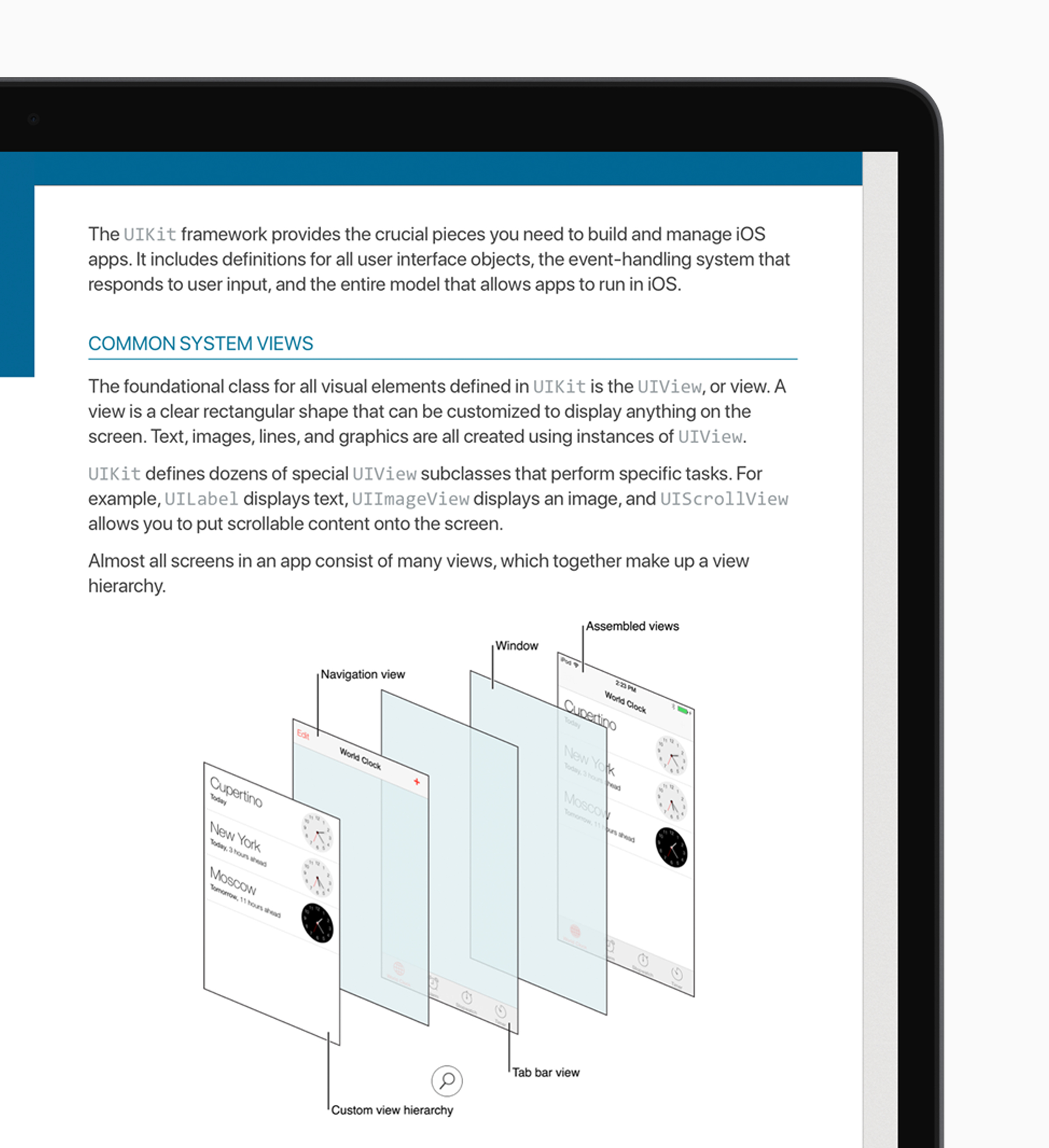
Image: Apple.
The “App Development with Swift” curriculum is an extension of Apple’s K–12 curriculum, Everyone Can Code, which has been downloaded more 430,000 times and will be used at more than a thousand schools this fall, the statement said. The latter curriculum also teaches students to use Swift and fulfills the company’s pledge to the White House-led ConnectED initiative to advance computer science education.
The company’s programming language has been used to create apps like Airbnb, KAYAK, TripAdvisor, Venmo and Yelp, according to the statement. A recent study by global freelancing platform Upwork identified Swift as the second fasting-growing skill in the tech industry, Apple says the new curriculum is designed for students who want to enter the rapidly growing app economy and seek to “gain critical job skills in software development and information technology.”
The curriculum is available for free through iBooks.