
Attackers are changing tactics as they collect less money from ransomware payoffs, according to a new report from Chainalysis, a blockchain analytics firm.

Nearly one in 10 prompts used by business users when interacting with generative artificial intelligence tools may inadvertently disclose sensitive data, according to a study released by data protection startup Harmonic Security Inc.
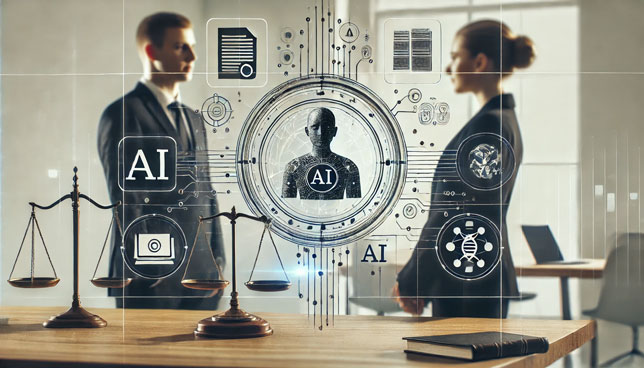
The bipartisan House Task Force on Artificial Intelligence recently released its recommendations to bolster American leadership in AI.
Forty-one percent of global tech executives in a recent NetApp survey said they believe advancements in AI will significantly increase security threats. The firm's second annual Data Complexity Report points to 2025 as "AI's make or break year."

"By 2027, AI assistants and AI-enhanced workflows incorporated into data integration tools will reduce manual intervention by 60 percent and enable self-service data management," according to research firm Gartner.

In these days of rampant ransomware and other cybersecurity exploits, security is paramount to both proprietary and open source AI approaches — and here the open source movement might be susceptible to some inherent drawbacks, such as use of possibly insecure code from unknown sources.

Cybersecurity researchers at Trustwave are warning about a surge in malicious e-mail campaigns leveraging Rockstar 2FA, a phishing-as-a-service (PhaaS) toolkit designed to steal Microsoft 365 credentials.
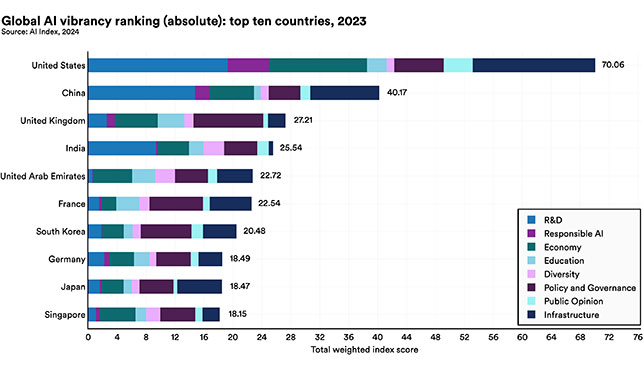
A new ranking tool from the Stanford Institute for Human-Centered AI (HAI) AI Index puts the United States in the No. 1 spot for global AI leadership.
A new report from the Cloud Security Alliance highlights the need for AI audits that extend beyond regulatory compliance, and advocates for a risk-based, comprehensive methodology designed to foster trust in rapidly evolving intelligent systems.

Educause recently released its annual Top 10 list of the most important technology issues facing colleges and universities in the coming year, with a familiar trio leading the bunch: data, analytics, and AI. But the report presents these critical technologies through a new lens: restoring trust in higher education.