Columbia U's Teachers College Revamps Network to Support 21st Century Learning
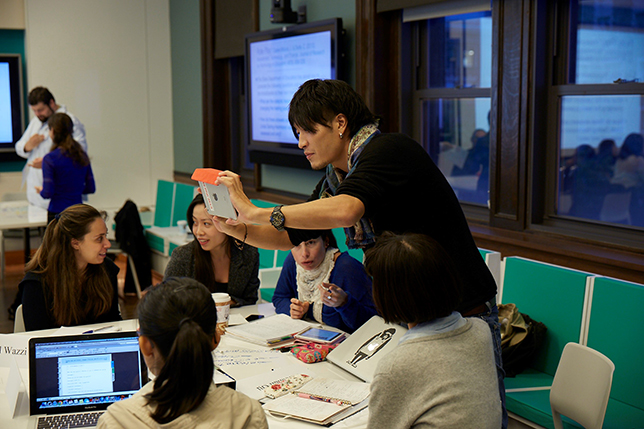
Students at Columbia University's Teachers College will have access to learning resources via any mobile device.
Teachers College, Columbia University's Graduate School of Education, Health and Psychology, is upgrading its network infrastructure with a range of wired and wireless products from Hewlett Packard Enterprise and Aruba. The institution's 5,000-plus students will gain fast, reliable access to learning and research resources across eight interconnected campus buildings — via any mobile device — thanks to HPE core and data center switches; Aruba WiFi, access switches and mobility controllers; AirWave network management; ClearPass Policy Manager; and Aruba Mobile Engagement.
Key challenges leading to the revamp included enrollment growth, research and classroom connectivity needs, and an increasing number of mobile devices brought to campus by students. In particular, the college needed to give students "dependable access via their own various mobile devices both in the classroom and around campus," according to a press release.
"As the nation's leading graduate school, we really needed to embrace the digital world and put the right infrastructure in place now to ensure we're ready for our future needs," said Naveed Husain, CIO for Teachers College. "And our students, most of whom are in Masters or PhD programs, need classrooms in which they can connect and share their content online and in real time, which means reliable WiFi is critical to meeting their needs."
The college has a plan for 52 all-wireless classrooms, with seven of the revamps to be completed by the end of this year. The classrooms will be outfitted with wall-mounted touchscreens and technology for real-time collaboration, streaming content and secure sharing of online data and information. Students will be able to present content from their own mobile devices using Apple TV and Chromecast over WiFi connections.
In addition, Teachers College has begun deploying Aruba Beacons in several campus buildings and plans to add wayfinding, push notifications and other features to its existing mobile app. For example, the app could send students campus event information such as a date or time change, details on amenities and food or information on post-event gatherings. The beacons will also allow the college to send app alerts and safety instructions in the event of an emergency.
About the Author
Rhea Kelly is editor in chief for Campus Technology, THE Journal, and Spaces4Learning. She can be reached at [email protected].