Boston Area College Students Develop VR Game Based on ‘Ulysses’
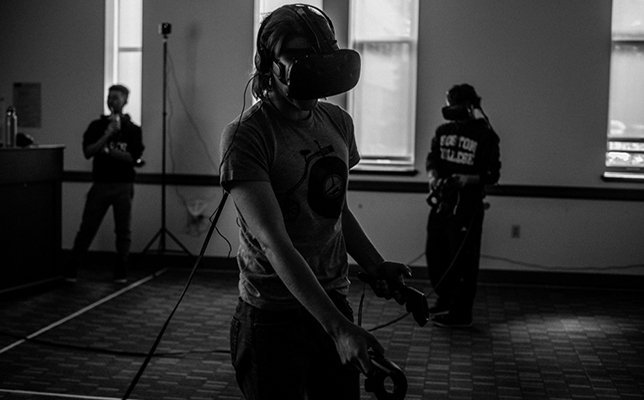
Photos Courtesy of Joycestick.
An English class at Boston College is bringing together students from different disciplines and areas of study to build a virtual reality (VR) game experience based off of James Joyce’s classic Ulysses.
“Technology has moved on and people tell the stories about themselves in very different ways,” said Joseph Nugent, an assistant professor of English literature at Boston College leading the class. “Immersive technology seems to me to be a transformative change in the way that we’re going to understand and realize and represent and be in the world. And to think that we can do this along with a novel like Ulysses, to merge these things, is very exciting.”
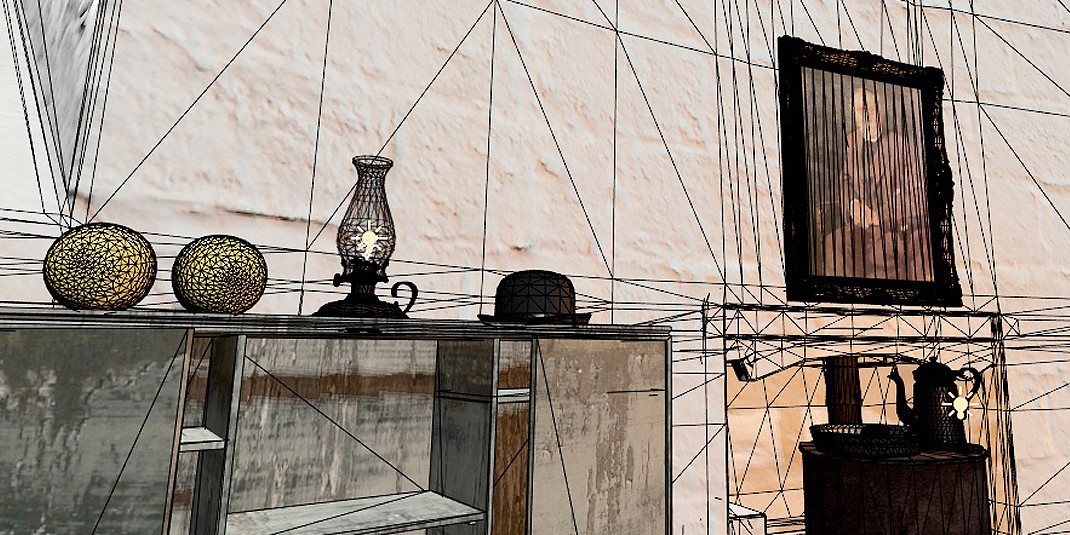
An inside view of the VR game.
Students in the College of English and from other areas of study enrolled in the course “Joycestick: A Gamification of Ulysses” are working under the direction of Nugent, whose academic focus includes 19th and 20th century Anglo-Irish literature. The VR game dubbed “Joycestick” invites users to explore 20th century Ireland and the world within Joyce's novel. Users can, for example, walk through the Martello Tower in Dublin, experiencing seaside views and mountainscapes.
Designing Joycestick was a digital humanities venture. The class was funded through an Academic Technology Innovation Grant from the Academic Technology Advisory Board, Boston College Magazine reported. In the beginning stages, the Office of Instructional Design and eTeaching Services helped develop an interactive, searchable website that features a Dublin historical map superimposed upon a Google map. Afterwards, the class moved beyond wikis to use Mediakron, an online toolkit for creation and storytelling designed at Boston College. The magazine noted that the project was aided by a Teaching and Mentoring Grant from the Office of the Provost as well.
Students from Boston College, as well as recruited students from nearby Berklee College of Music and Northeastern University, work in discrete groups, each equipped with storyboarders, developers, text members, sound experts and 3D modelers.
Modelling, the project site explains, is at the core of the VR experience since Ulysses can be thought of as a “story of a series of different objects.” Joycestick’s modelling team produces 3D objects from the book, “taking great pains to recreate them as faithfully as possible.” Meanwhile, the developer team is responsible for bringing all of the different aspects of the game together by writing the underlying code that powers the VR experience. Another integral part of the project was sound design, which the team cited “is one of the most important aspects of creating a believable and immersive environment.”
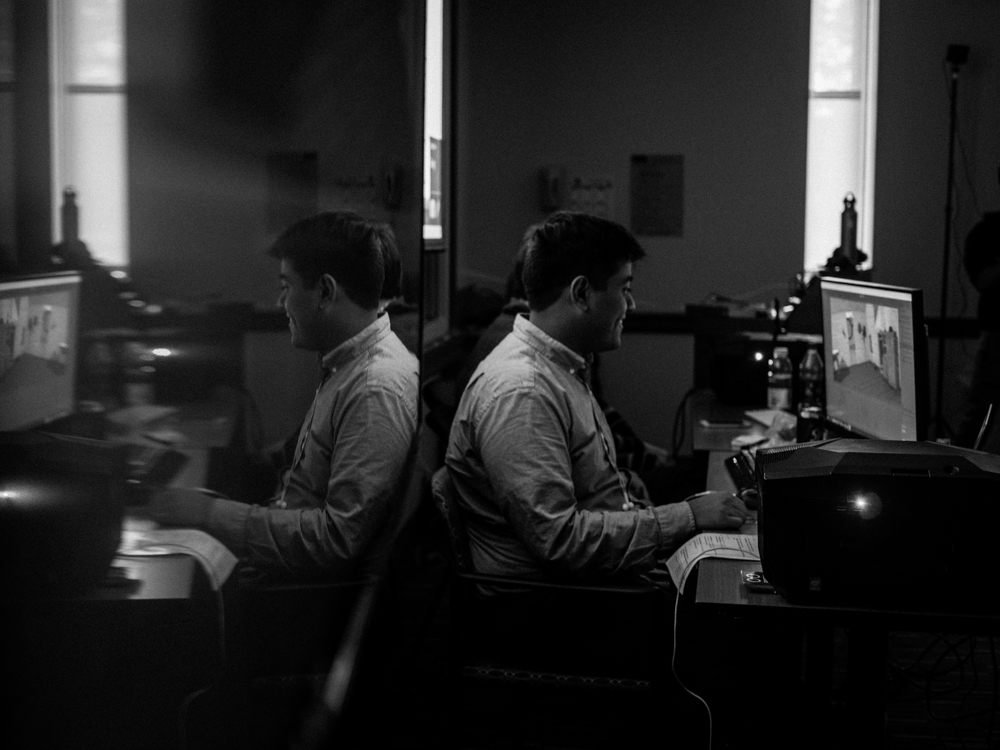
Student developers (above) are responsible for bringing all of the different aspects of the game together by writing the underlying code that enables an interactive VR experience.
An annual celebration for Joyce and the novel called Bloomsday occurs June 16 in Dublin, Ireland. The team hopes to release a version of the game in time for the celebration, The Associated Press recently reported.
“What I like about Joycestick is how interdisciplinary it is,” said Ryan Reede, a teaching assistant involved in the project, in a video. “You have the computer science students, English students, people with interest in sound and 3D modeling from fine arts, and all of their work is being seen through in this final production, which is really cool. We’re trying to use virtual reality — instead of just an extension of videogames — as an entirely new medium of storytelling. There’s activities, audio, text, music and all of these other different elements to Joycestick, but at the end of the day it’s more of a new form of storytelling.”
To learn more, watch the video below, or visit the Joycestick site.
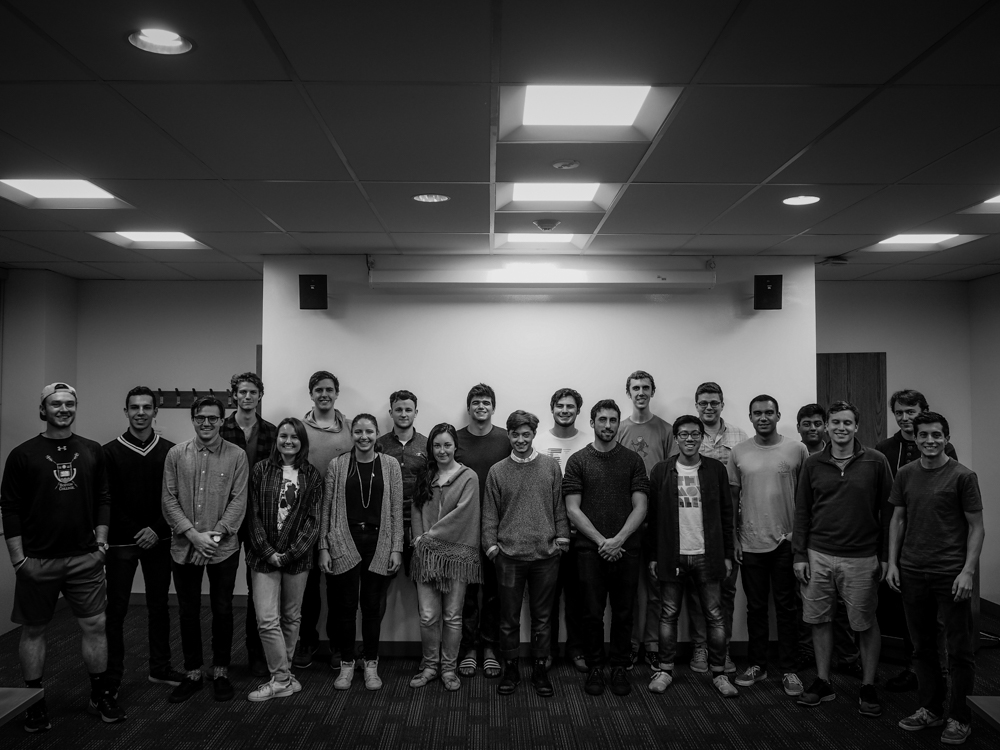
The Joycestick team.
About the Author
Sri Ravipati is Web producer for THE Journal and Campus Technology. She can be reached at [email protected].