Michigan Invests $1.4 Million in Innovative Instructional Technologies
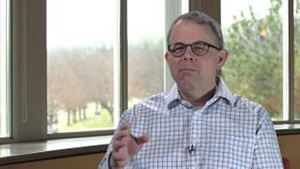 The University of Michigan will spent $1.4 million
over the
next three years to find ways to implement innovative instructional
techniques
throughout the campus.
The University of Michigan will spent $1.4 million
over the
next three years to find ways to implement innovative instructional
techniques
throughout the campus.
A grant from the university's Third
Century Initiative will
fund the Digital
Innovation Greenhouse (DIG), which is now hiring staff members
and planning to expand into a new laboratory on campus.
Over the next few years, the DIG will
look into a number of
programs. Two already in place that its leaders hope to develop are
Student
Explorer Advising and the E2Coach program. Physics Professor Timothy
McKay, the
principal investigator on the project, said the goal is to take the two
programs, which now have relatively limited scopes, and make them
accessible to
more students.
McKay said the Student Explorer Advising program
makes use of
the massive amount of data the university has on students to both
identify
those who may need remedial attention as well as those who may be ready
for
more significant challenges than his or her current course load is
offering.
"It's about knowing exactly what's happening with
students in
real time and getting them the help they need," he said.
E2Coach takes similar student information and
identifies the
best way to communicate with students who may need some advice on their
academic studies.
"Sometimes the professor isn't the best person to
communicate
with students," McKay said. "Sometimes it's another student. The key
part of
E2Coach is to match a person who needs advice to the right person to
give them
that advice."
Rachel Niemer, DIG's team lead and assistant director
of the
University of Michigan Center for Research on Learning and Teaching,
said the
greenhouse is the logical next step to student success at a large
university.
"One of the things we know about the science of
learning is
that personalized feedback really helps," Niemer said, "and it's just
really
hard to do in a large class."
About the Author
Michael Hart is a Los Angeles-based freelance writer and the former executive editor of THE Journal.