New Rubric-Based Scoring API Aims To Evaluate Student Performance in Digital Lessons
- By Dian Schaffhauser
- 07/21/15
A new application programming interface (API) is designed to enable education developers to introduce scoring analytics into simulations, games
and other open-ended assessment items and digital learning objects. The API toolkit, developed by
metacog, is intended to be added to programs used by educators to examine the work and
thought processes done by students as they interact with digital lessons and assessments.
"Our goal with metacog's scoring service API is to enable a new generation of instruction and assessment products where students create
responses instead of merely picking them," said Owen Lawlor, the company's chief digital officer. "Constructed-response is already part of the
repertoire of strong educators, but it's too labor-intensive to use frequently enough to inform learning. metacog changes that — it can observe
a student's performance in detail and score it quickly enough to drive formative instruction and adaptive learning."
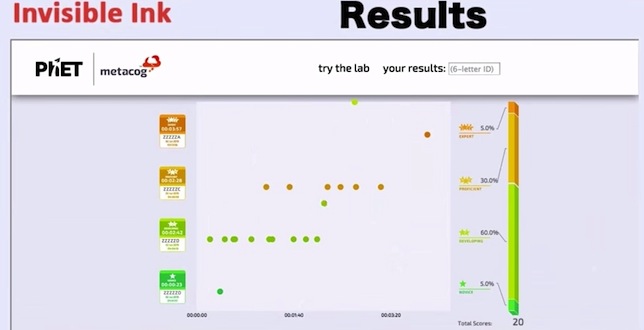
The metacog platform has two primary uses: data collection and data extraction and analysis. Data collection uses no student names, just
keys representing anonymous users. Nor is the organization using the API required to submit personally identifiable information. Once the data
is pulled from online assessment sessions, it can be retrieved from and processed by different services to understand student performance
behavior: how they think, how they approach difficult problems, how hard they try or how easily they give up, what misunderstandings about the
content they may have and whether they're struggling.
The company said future updates would include a recommendation preprocessing API, a diagnostic API and a microcredentialing or badge
issuance API.
A pre-release version of the toolkit has been available to developers on a limited basis. Now it's available for purchase. Researchers can
license the API for $998 per year for up to 350 learners and 300 data retrievals calls per month. The "standard" edition is $9,980 per year for
use with up to 5,000 learners and 300 data retrieval calls per month. An enterprise edition is also available, though pricing varies depending
on volume. Also, sandbox access is available free.
metacog is a spin-off from Victory Productions, a long-time provider of assessment,
curriculum development, technology, professional learning and translation services to the education market. A key group of executives manage
both companies.
About the Author
Dian Schaffhauser is a former senior contributing editor for 1105 Media's education publications THE Journal, Campus Technology and Spaces4Learning.