Learning Spaces
Here you'll find articles on technology-enabled learning spaces, classroom design, av technologies and more, plus stories about institutions adopting new tech for the classroom.
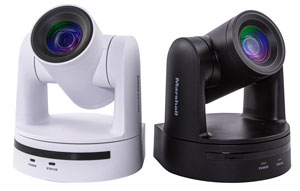
Audio and video technologies company Marshall Electronics has introduced a sub-$900 pan-tilt-zoom (PTZ) video camera that's certified by Zoom.

The FLEXspace platform allows users to find and share detailed exemplars for learning space design and is of great value for institutions planning new or updated spaces. We asked FLEXspace.org's executive director about current and future developments in the FLEXspace platform and plans for its burgeoning community.

IT leaders, faculty and a student offer a variety of perspectives on the future for their campuses in the new year.
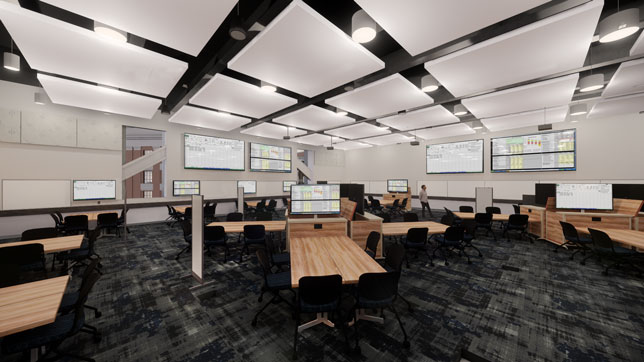
When classes resume for the Spring 2022 semester at the University of Michigan, a new Central Campus Classroom Building will welcome more than 10,000 students per day, the university said this week in a news release. The CCCB was designed specifically to support "active and team-based learning classrooms."
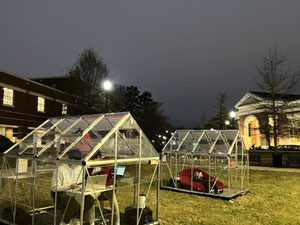
The University of Alabama is rolling out a set of small, greenhouse-like structures where students can have private, socially distanced space for their studies or relaxation.
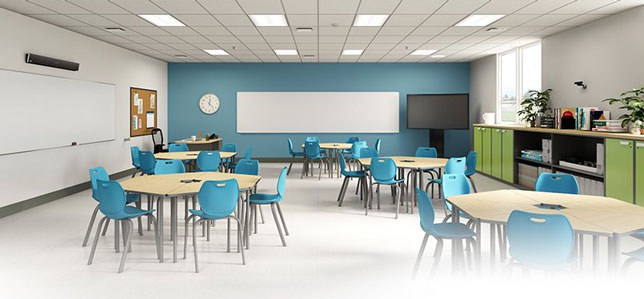
Audio conferencing company Nureva has launched a new classroom solution that integrates audio, video, device management and services.
Michigan Technological University has outfitted two of its on-campus spaces with ClearOne BMA 360 Beamforming Microphone Array Ceiling Tiles.

The right combination of technology and training will ensure your learning spaces can adapt to ever-changing modes of instruction. Here are key considerations for future-proofing classrooms, supporting faculty and surviving the next pandemic.
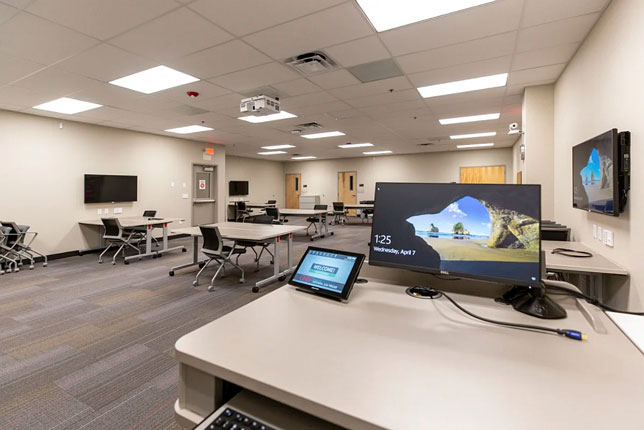
The University of Nevada, Las Vegas has introduced a number of hyflex classrooms, capable of accommodating students attending in person and online.
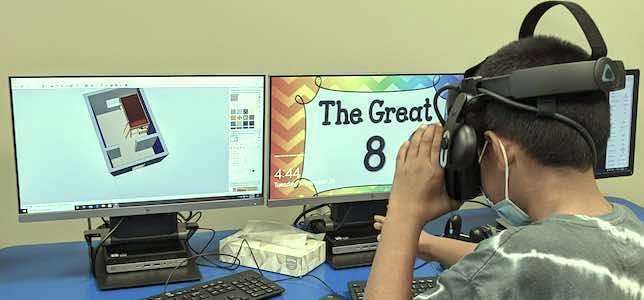
Through a $1.5million, four-year NSF grant, Oklahoma State University researchers are leveraging their earlier work with proven, college-level design courses that incorporate VR, AR, and 3D printing technologies. But this time, they are helping underserved Native American middle school students develop STEM skills.