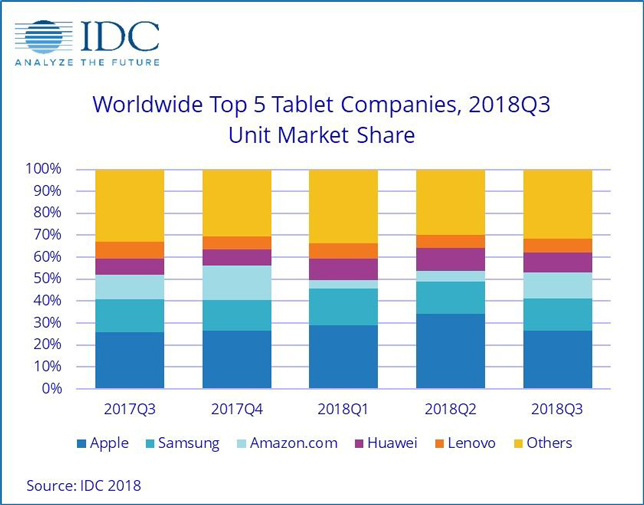
While Apple still dominates the tablet market, sales of all such devices have fallen worldwide, according to market data from International Data Corp.
The University of California, San Diego has announced that it has become the first Aira-enabled university in the United States. It is offering free smartphone access to the accessibility technology for vision-impaired members of its entire campus community, including students, staff and faculty.
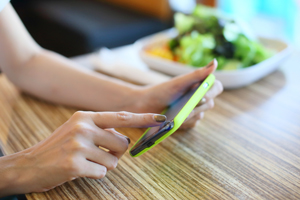
A new offering from Blackboard allows students to order food and other items from any location via mobile device.

Microsoft gave the green light this week for organizations to deploy the Microsoft Teams app on Surface Hub devices.

In our third annual Teaching with Technology Survey, a quarter of faculty respondents said they do not allow students to use mobile phones in the classroom.

The Foundation for California Community Colleges' purchasing program, CollegeBuys, has entered into a five-year partnership with Nelnet Campus Commerce to offer the company's mobile-friendly payment processing solutions across the community college system's 115 institutions.
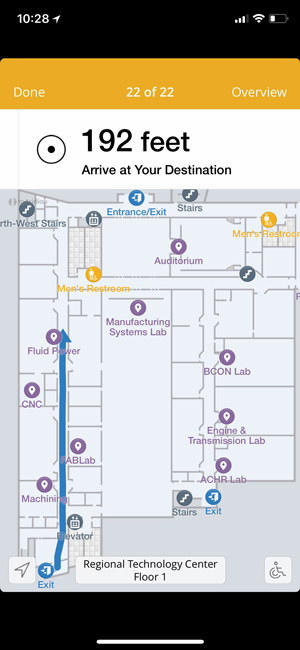
A Michigan community college has launched a mobile app that includes wayfinding. Mott Community College developed Mott Mobile App for iOS and Android devices using Meridian Mobile Apps.
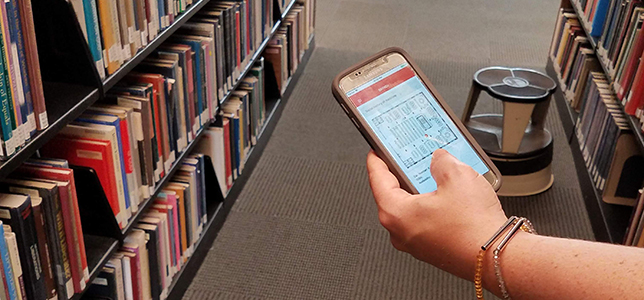
St. John's University's BKFNDr app uses beacon technology, location coordinates and detailed mapping to help students find the right books on the library shelf.

UCLA's chief privacy officer talks about the differences between privacy and information security in higher education along with the need to consider opportunities as well as risks.

Universities share how the expanding Internet of Things is impacting their institutions, from the sheer volume of data to staffing issues and the overall potential for students.